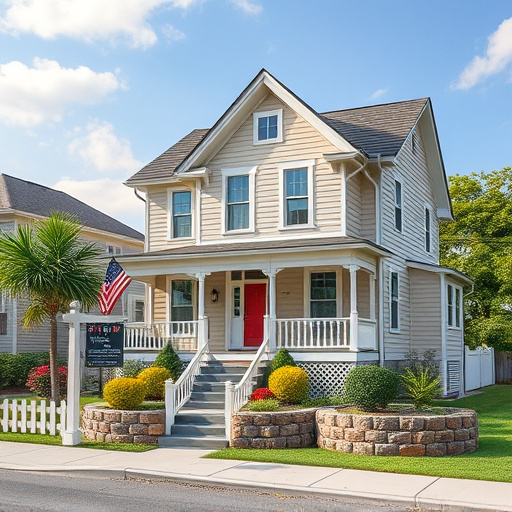
Right Choice Real Estate: Shaping the Built Environment for a Better Future
Introduction
In an era defined by rapid urbanization and a growing global population, the concept of “Right Choice Real Estate” has emerged as a pivotal force in shaping urban landscapes and communities. This comprehensive article delves into the multifaceted world of real estate development, exploring how strategic choices in land use, architecture, and community planning can lead to vibrant, sustainable, and resilient cities. By examining historical foundations, global influences, economic considerations, technological innovations, and policy frameworks, we aim to provide an insightful guide to understanding and navigating this dynamic sector.
Understanding Right Choice Real Estate: Definition and Core Components
Right Choice Real Estate, often referred to as strategic or mindful real estate development, is a holistic approach that emphasizes making informed decisions to create built environments that meet the needs of current and future generations. It goes beyond traditional property transactions by incorporating principles of urban planning, environmental stewardship, social equity, and economic viability. The core components include:
Sustainable Land Use Planning: Involves designing neighborhoods and cities with a focus on efficient land use, preserving green spaces, promoting mixed-use development, and ensuring accessibility for all residents.
Eco-Friendly Architecture: Encourages the design of energy-efficient buildings that minimize environmental impact, incorporate renewable energy sources, and promote sustainable living practices.
Community Engagement: Fosters collaboration between developers, local authorities, and residents to ensure that new developments align with community aspirations and address local needs.
Economic Viability: Ensures that real estate projects are financially feasible, contributing to the local economy while providing affordable housing options and promoting job creation.
Historically, traditional real estate development often prioritized profit margins over long-term sustainability and community well-being. Right Choice Real Estate seeks to rectify this by placing a strong emphasis on responsible development practices and their lasting impact on society and the environment.
Global Impact and Trends
The concept of Right Choice Real Estate has transcended national boundaries, influencing real estate markets worldwide. Key trends shaping its global trajectory include:
Sustainable Development Goals (SDGs): The United Nations’ SDGs have played a significant role in guiding real estate developers towards more responsible practices. Many countries are adopting policies that align with the 17 SDGs, focusing on affordable and clean energy, sustainable cities and communities, and life below water.
Smart Cities: The rise of smart city initiatives has driven demand for technology-integrated real estate solutions. Developers are incorporating IoT (Internet of Things) devices, data analytics, and digital infrastructure to create efficient, connected communities.
Green Building Certifications: Ratings systems like LEED (Leadership in Energy and Environmental Design) and BREEAM (Building Research Establishment Environmental Assessment Method) have become globally recognized standards for eco-friendly buildings. These certifications incentivize developers to design and construct environmentally conscious properties.
Regional Variations: Different regions are adopting Right Choice principles at varying paces. For instance, European countries have been leaders in sustainable urban development, while Asia is witnessing a surge in green building projects and smart city investments.
Economic Considerations
Real estate markets are inherently linked to broader economic systems, and understanding market dynamics is crucial for successful Right Choice development. Key economic factors include:
Demographics: Population growth patterns, age distribution, and migration trends influence demand for housing and commercial spaces. For example, urbanization in developing countries has led to a surge in urban real estate investments.
Market Fluctuations: Real estate cycles of boom and bust impact investment decisions and construction projects. Developers must navigate these fluctuations while ensuring long-term sustainability.
Investment Trends: Institutional investors and private equity firms play a significant role in shaping the industry. They often drive demand for specific property types, such as logistics centers, residential complexes, or mixed-use developments.
Affordability: Ensuring access to affordable housing is a critical aspect of Right Choice Real Estate. Governments and developers are collaborating to address the housing crisis through innovative financing mechanisms and inclusive policies.
Technological Advancements
Technology has revolutionized the real estate industry, offering new tools and methodologies for development, construction, and management:
Building Information Modeling (BIM): BIM is a digital process that involves creating detailed 3D models of buildings throughout their lifecycle. It enhances collaboration among stakeholders, improves design quality, and reduces construction errors.
Data Analytics: Advanced data analytics enables developers to make informed decisions based on market trends, consumer behavior, and spatial data. This helps in identifying suitable locations for projects and optimizing space utilization.
Virtual Reality (VR) and Augmented Reality (AR): VR and AR technologies offer immersive experiences, allowing potential buyers and tenants to virtually tour properties. This enhances marketing strategies and improves customer engagement.
Smart Home Automation: Integrating smart home systems into buildings enables efficient energy management, security enhancements, and personalized living experiences.
Policy and Regulation
Governments play a pivotal role in shaping the real estate sector through policies and regulations that influence development practices:
Zoning Laws: Local governments use zoning ordinances to control land use, ensuring that developments comply with specific guidelines regarding density, height restrictions, and permitted uses.
Environmental Regulations: These regulations aim to protect natural resources and preserve ecosystems. They cover areas like water quality, air pollution control, waste management, and habitat conservation.
Building Codes: Safety and structural integrity are ensured through building codes that specify construction materials, design standards, and safety measures.
Incentives and Subsidies: Governments often provide incentives to promote sustainable development practices, such as tax breaks for green buildings or subsidies for affordable housing projects.
Challenges and Criticisms
Despite its numerous benefits, Right Choice Real Estate faces several challenges:
Initial Costs: Implementing eco-friendly and technologically advanced solutions can be expensive, creating a potential barrier to entry for developers and investors. However, long-term operational savings and increased property values can offset these initial costs.
Lack of Standardization: The absence of universal standards and certification processes for sustainable development practices can lead to confusion and varying levels of quality among projects.
Community Resistance: Some local communities may resist changes in land use or development proposals, especially when they perceive potential negative impacts on their neighborhoods. Effective community engagement strategies are essential to address these concerns.
To overcome these challenges, collaboration between stakeholders is key. Industry associations, governments, and developers can work together to establish clear guidelines, share best practices, and provide financial support for innovative projects.
Case Studies: Successful Applications of Right Choice Real Estate
1. Green Valley, California – A Model for Sustainable Communities
This master-planned community in the heart of Silicon Valley embodies the principles of Right Choice Real Estate. Developers partnered with local authorities and environmental organizations to create a mixed-use development with energy-efficient homes, ample green spaces, and efficient transportation systems. The project integrates solar panels, smart water management, and a comprehensive recycling program, reducing the community’s carbon footprint. Green Valley has become a testament to sustainable living, attracting residents who value eco-conscious and connected lifestyles.
2. Vibrant City Center Revitalization – Oslo, Norway
Oslo’s city center underwent a significant transformation through a Right Choice initiative aimed at reviving the area while preserving its historical charm. The project involved the renovation of aging buildings, the creation of pedestrian-friendly zones, and the development of green roofs and courtyards. By integrating eco-friendly offices, residential units, and cultural spaces, the revitalized district became a hub for startups, artists, and residents alike. This case study showcases how thoughtful urban renewal can foster vibrant communities while promoting sustainability.
Toronto’s “Micro-Apartment” movement is a unique solution to the city’s housing crisis. Developers constructed compact, affordable units optimized for urban living, addressing the need for more accessible housing options. These micro-apartments are designed with efficient space utilization, smart technology, and shared amenities, offering a cost-effective alternative to traditional rental housing. This case study highlights the potential of creative design solutions to address pressing social issues.
Future Prospects: Emerging Trends and Strategic Considerations
The future of Right Choice Real Estate is filled with promising opportunities and challenges:
Net-Zero Energy Buildings: The goal of constructing buildings that produce as much energy as they consume will become more prevalent, driven by technological advancements and government incentives.
Vertical Farming: Integrating vertical farming techniques into urban landscapes could revolutionize food production, reducing transportation costs and providing fresh, locally grown produce for communities.
Smart Cities 2.0: The next generation of smart cities will focus on creating more inclusive and resilient communities, leveraging data analytics to address social equity issues and enhance citizen services.
Collaborative Development Models: Public-private partnerships and community-driven development initiatives will continue to shape the industry, fostering collaboration for larger-scale projects.
Conclusion: Shaping a Sustainable Future
“Right Choice Real Estate” represents a paradigm shift in how we perceive and develop our built environments. By integrating sustainability, technology, and community engagement, this approach ensures that real estate development contributes positively to society and the planet. As global populations grow and urbanize, the principles outlined in this article will be crucial in creating vibrant, resilient, and inclusive cities of the future.
FAQ Section
Q: How does Right Choice Real Estate differ from traditional property development?
A: Traditional development often prioritizes short-term profits, while Right Choice focuses on long-term sustainability, community well-being, and responsible land use practices.
Q: What are the key benefits of implementing green building certifications?
A: Green building certifications ensure that buildings meet specific environmental performance criteria, leading to reduced energy consumption, lower operational costs, and improved indoor air quality.
Q: How can developers address community resistance to new projects?
A: Effective communication, engaging with residents early in the planning process, and involving them in decision-making can help build support for development proposals.
Q: What role does technology play in modern real estate development?
A: Technology enables efficient project management, improves construction processes, enhances customer experiences through virtual tours, and supports smart building operations.
Q: Can Right Choice Real Estate initiatives be economically viable?
A: Absolutely! While some initial costs may be higher, sustainable and technologically advanced projects can attract long-term investors, reduce operational expenses, and increase property values over time.
Choice Real Estate offers a revolutionary holistic approach to property transactions, integrating environmental sustainability, social responsibility, and economic viability. They prioritize community engagement, personalized solutions, and ethi…….
Choice Real Estate offers personalized, stress-free property transactions through proactive communication, market insights, and technology. They build trust by exceeding client needs from initial consultations to post-purchase support, setting t…….
Shepparton's real estate market, driven by growth and diverse options, is ideal for investment or family living. Choice Real Estate offers expert guidance on trends, areas like Mooroopna and Sherwood, and strategic property choices based on…….
Choice Real Estate Shepparton offers personalized real estate guidance with a focus on client relationships. Their local experts provide tailored strategies based on deep area knowledge, helping clients make informed decisions for investment, up…….
Choice Real Estate succeeds by prioritizing industry compliance, which is crucial for protecting consumers, maintaining fair practices, and ensuring transparency in a competitive market. They stay updated on local, state, and federal laws throug…….
Shepparton's Right Choice Real Estate is a leading agency known for its deep local market knowledge and client-focused approach. They leverage advanced marketing and technology to guide buyers and sellers through transactions, building stro…….
Right Choice Real Estate offers personalized wealth accumulation plans, guiding clients through complex financial landscapes and real estate markets. Their expert team analyzes trends, data, and industry shifts to empower informed decision-makin…….
Right Choice Real Estate offers expert negotiation strategies, transforming complex situations into mutually beneficial agreements. Their specialists combine strategic planning, active listening, and creative problem-solving to anticipate counte…….
Choice Real Estate prioritizes client needs, engaging in detailed conversations to understand lifestyle preferences, family size, and desired neighborhoods. Their strategic property matching involves a deep dive into both client requirements and…….
Right Choice Real Estate focuses on accurate, detailed property descriptions and high-quality images to build trust with buyers and renters. They prioritize comprehensive information, local insights, and unique property angles, setting their lis…….
Choice Real Estate professionals must prioritize regulatory compliance to protect clients and maintain integrity. They stay informed about laws, attend training, and conduct internal audits to avoid penalties and enforce ethical practices. By em…….
Understanding Choice Real Estate market dynamics is crucial for investors and agents. Analyzing population growth, employment rates, and housing affordability predicts market shifts and identifies opportunities or challenges. Local markets vary…….
Choice Real Estate values professional experience in their agents, who leverage market knowledge and negotiation skills for client success. Building a strong track record requires strategic marketing, data-driven insights, and long-term relation…….
Right Choice Real Estate adopts a holistic approach, integrating every aspect of property ownership to create sustainable communities. They offer personalized guidance, eco-conscious selections, and community engagement, ensuring well-being. Thi…….
Choice Real Estate prioritizes client relationships over transactions, focusing on understanding individual needs and aspirations to tailor property options. Their agents actively listen, ask insightful questions, and foster trust, ensuring clie…….
In Shepparton's competitive real estate market, Right Choice Real Estate stands out with a strategic blend of traditional expertise and modern technology. Local agents leverage deep market knowledge, advanced digital tools, and personalized…….
Right Choice Real Estate adapts to evolving market trends, integrating digital marketing, virtual tours, and sustainable smart homes. Their agents anticipate shifts in consumer preferences and economic fluctuations, guiding clients through dynam…….
Choice Real Estate focuses on building trust within communities to drive meaningful engagement. By valuing local knowledge and insights, agents gain a competitive edge in the market, offering tailored advice and identifying high-growth areas. Th…….
Right Choice Real Estate prioritizes client satisfaction by understanding and personalizing the home-buying journey. Their agents listen attentively to clients' unique needs—from location to lifestyle—to curate a tailored proper…….
Right Choice Real Estate leverages digital marketing strategies, including high-quality visuals, SEO, and targeted content, to maximize reach and engagement. They employ storytelling and personalized experiences to create emotional connections w…….